A strong, well-developed back is the foundation of upper body strength and aesthetics. Whether you're chasing that coveted V-taper, better posture, or improved athletic performance, these exercises deliver results. Let's dive into the top 10 back exercises with detailed instructions and images for each.
Understanding Back Anatomy
Before we dive into the exercises, it's crucial to understand what you're actually training. Your back is composed of several distinct muscle groups, each with unique functions:
Major Muscle Groups
- Latissimus Dori (Lats): The large, flat muscles that create width and the iconic V-shape
- Thoracolumbar Fascia (Traps): The diamond-shaped muscle extending from your neck to mid-back
- Rhomboids: The muscles between your shoulder blades that pull your scapula together
- Erector Spinae: The muscles running along your spine that enable standing upright
- Rear Deltoids: The often-neglected shoulder muscles critical for shoulder health
Functional Importance
Your back is involved in virtually every pulling movement. Whether you're opening a door, pulling groceries from the trunk, or performing an Olympic lift, your back muscles are working. Weak back muscles contribute to poor posture, lower back pain, reduced athletic performance, and increased injury risk.
The Top 10 Back Exercises
1. Deadlift
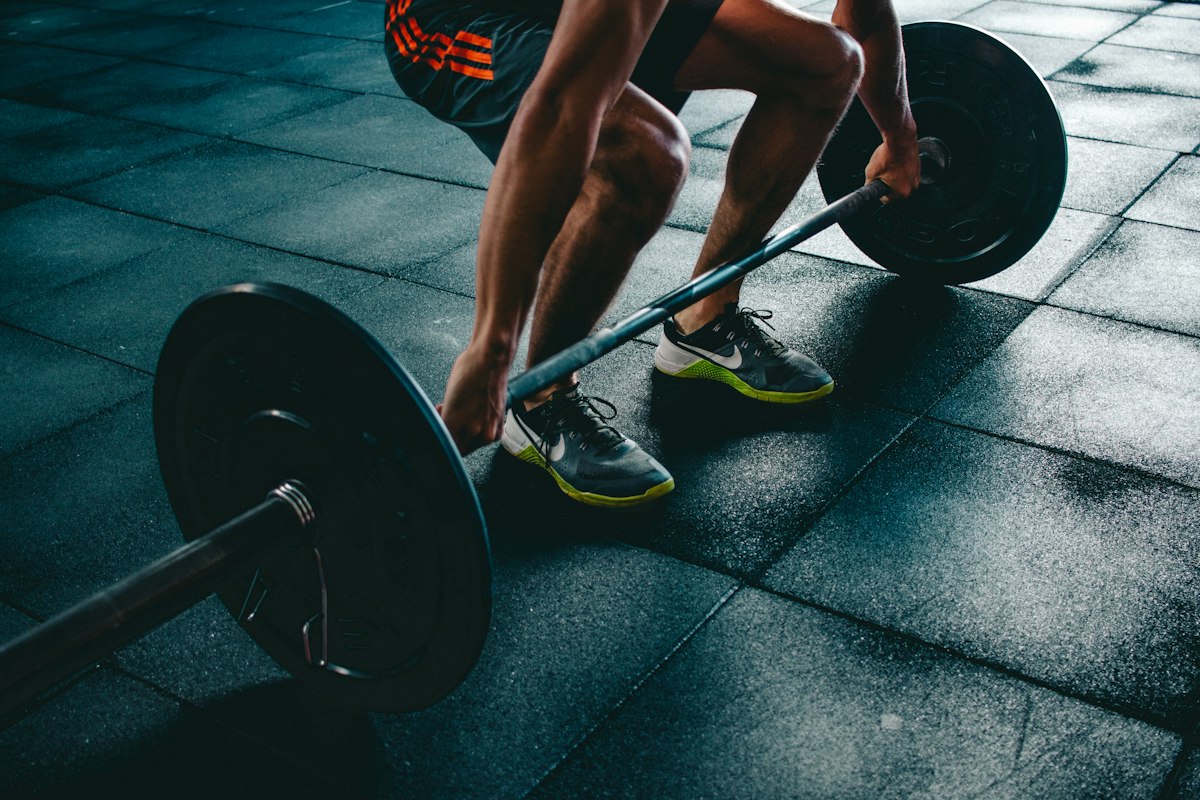
The deadlift isn't just an exercise—it's a total body movement that builds immense back thickness and strength. It hits everything from your calves to your traps.
Why it works: The deadlift requires your entire posterior chain to work as a unit. It's the king of all exercises for building real-world strength.
How to perform:
- Setup: Stand with feet hip-width apart, toes under the bar. Grip the bar just outside your legs.
- Engage: Brace your core, squeeze your glutes, and pull the slack out of the bar.
- Lift: Drive through your heels while keeping the bar close to your body. Your hips and shoulders should rise at the same rate.
- Lock out: Stand tall, squeeze your glutes at the top.
- Lower: Push your hips back first, then bend your knees once the bar passes them.
Common mistakes: Rounding your lower back, letting the bar drift away from your body, and jerking the weight off the floor.
Programming: 3-5 sets of 3-8 reps. Rest 2-3 minutes between sets.
2. Pull-Ups

The ultimate bodyweight exercise. No machine, no excuses—just you versus gravity.
Why it works: Pull-ups build incredible back width and grip strength. They're a true measure of relative strength.
How to perform:
- Grip: Hang from a bar with hands slightly wider than shoulder-width, palms facing away.
- Engage: Pull your shoulder blades down and back (depress and retract).
- Pull: Drive your elbows down and toward your hips. Imagine pulling your chest to the bar.
- Top: Squeeze at the top—your chin should clear the bar.
- Lower: Control the descent. Don't just drop.
Progression options:
- Band-assisted pull-ups
- Negative pull-ups (jump to top, lower slowly)
- Australian pull-ups (inverted rows)
Programming: 3-4 sets of 6-12 reps. Rest 2 minutes between sets.
3. Barbell Rows
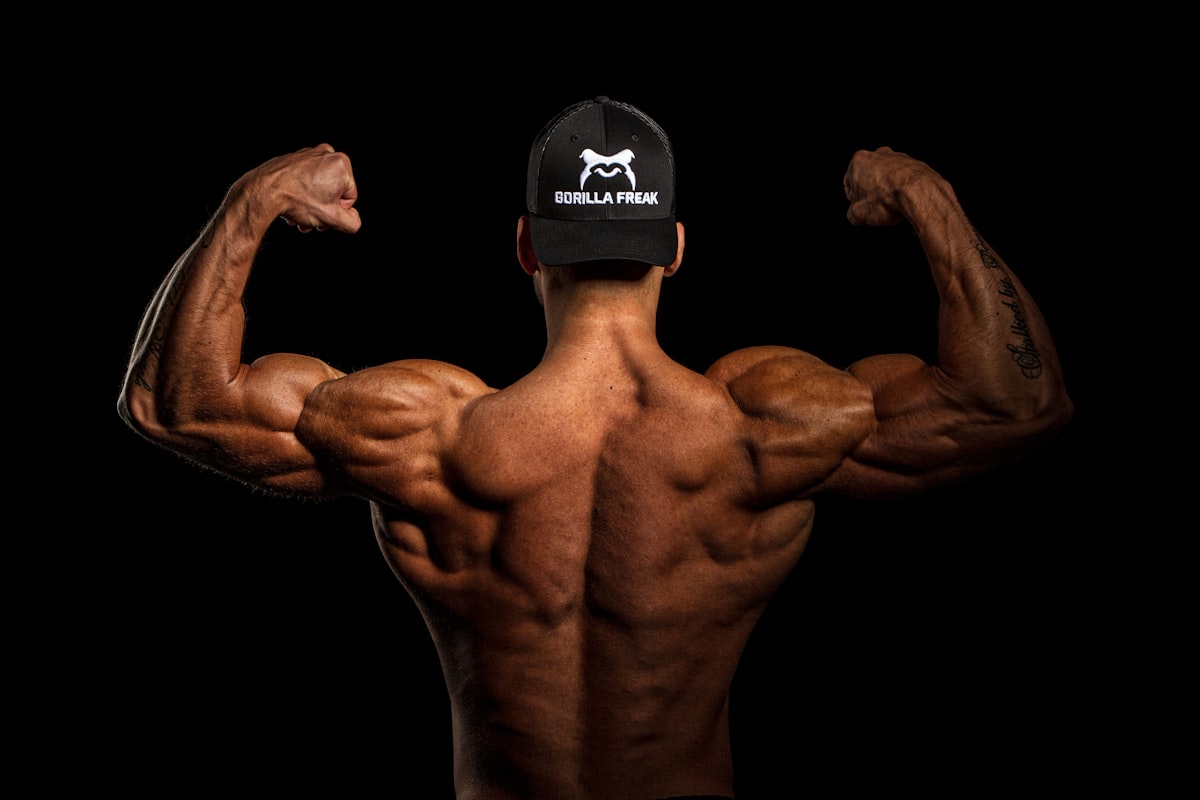
For pure back thickness, nothing beats heavy barbell rows.
Why it works: Allows heavy loading and systematic overload. Hits the entire back, with emphasis on thickness.
How to perform:
- Setup: Hinge at the hips until your torso is 45-60 degrees to the floor. Grip the bar slightly wider than shoulder width.
- Brace: Keep your core tight and lower back neutral.
- Pull: Drive your elbows back, squeezing your shoulder blades together. Pull to your lower chest/upper abdomen.
- Squeeze: Hold the contraction for one second at the top.
- Lower: Control the weight back down with your lats doing the work.
Grip variations:
- Overhand grip: More upper back emphasis
- Underhand grip: More bicep and lower lat emphasis
Programming: 4 sets of 6-10 reps. Rest 2-3 minutes.
4. Dumbbell Rows
Unilateral work reveals and corrects imbalances between your left and right sides.
Why it works: Each side works independently, preventing strength asymmetries that often go unnoticed in bilateral exercises.
How to perform:
- Setup: Place one knee and hand on a bench. Keep your back flat and core engaged.
- Grip: Pick up the dumbbell with your free hand.
- Pull: Drive your elbow back, squeezing your lat. The weight should travel up your hip, not out to the side.
- Squeeze: Contract hard at the top.
- Lower: Control the descent—don't let momentum do the work.
Key tip: Don't rotate your torso. Keep your hips square throughout the movement.
Programming: 3-4 sets of 8-12 reps per arm.
5. Lat Pulldowns

When pull-ups aren't available, lat pulldowns are an excellent substitute.
Why it works: Allows systematic progression and variety in grip width. Great for building back width.
How to perform:
- Grip: Grip the bar wider than shoulder-width, palms facing forward.
- Setup: Secure your thighs under the pads. Lean back slightly.
- Pull: Drive your elbows down and back. Lead with your elbows, not your hands.
- Contract: Squeeze your lats at the bottom—your chest should almost touch the bar.
- Control: Don't let the weight jerk you back up. Control the stretch.
Grip variations:
- Wide grip: More lat emphasis
- Narrow grip: More lower lat and bicep emphasis
- Behind-the-neck: Not recommended due to injury risk
Programming: 3-4 sets of 8-12 reps.
6. Seated Cable Rows
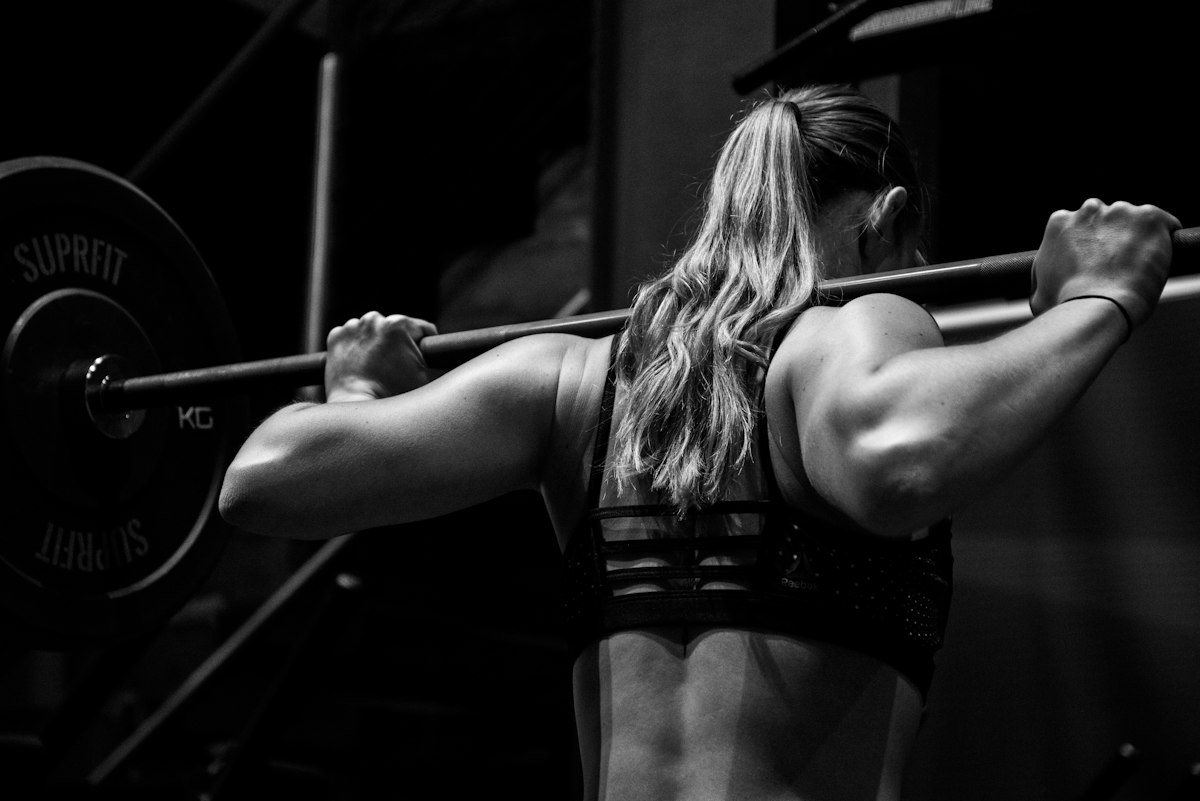
Constant tension on the lats and rhomboids throughout the entire range of motion.
Why it works: The cable provides resistance throughout the entire range of motion, unlike free weights where tension can decrease at certain points.
How to perform:
- Setup: Sit at a cable station with feet on the platform. Grab the handle.
- Posture: Sit tall with a slight arch in your lower back.
- Pull: Drive your elbows back, squeezing your shoulder blades together. Keep your torso stationary.
- Squeeze: At full contraction, your elbows should be past your torso.
- Return: Let your shoulder blades protract (spread apart) at the top, but don't lean back.
Handle options:
- Straight bar: Balanced overall development
- Rope: Better stretch and contraction
- V-handle: More lat emphasis
Programming: 3-4 sets of 10-15 reps.
7. T-Bar Rows
Excellent for building a thick back without heavy equipment.
Why it works: Allows chest-supported horizontal pulling with significant loading. Great for those without access to heavy dumbbells.
How to perform:
- Setup: Straddle the T-bar or landmine. Grip the handles.
- Position: Keep your chest up and back flat. Your torso should be nearly parallel to the floor.
- Pull: Drive the weight up by squeezing your shoulder blades together. Lead with your elbows.
- Top: Squeeze hard at the top—you should feel a deep contraction in your lats and rhomboids.
- Lower: Control the descent. Don't let the weight drop you forward.
Programming: 3-4 sets of 8-12 reps.
8. Face Pulls
The most neglected exercise in most programs—crucial for rear delts and shoulder health.
Why it works: Strengthens rear delts, improves shoulder health, and corrects posture by counteracting the hunched posture from sitting.
How to perform:
- Setup: Set a cable pulley at face height. Use a rope attachment.
- Grip: Grab the rope with palms facing down (pronated).
- Pull: Pull the rope toward your face, separating your hands as you pull. Your elbows should end up past your shoulders.
- Squeeze: At the end position, squeeze your shoulder blades together and up (like making a shadow puppet).
- Return: Control the return—don't let the weight jerk you forward.
Why it's essential: Most people have overdeveloped chest and front delts from daily activities. Face pulls balance this and prevent shoulder impingement.
Programming: 3-4 sets of 15-20 reps.
9. Single-Arm Dumbbell Row
Perfect for addressing bilateral strength imbalances and unilateral weaknesses.
Why it works: Each side works independently, allowing you to identify and fix strength imbalances.
How to perform:
- Setup: Either use a bench or stand with one foot forward, one back. Slight hinge at the hips.
- Stability: Brace your core. Your back should be flat, not rounded.
- Pull: Pull the dumbbell up toward your hip, leading with your elbow.
- Control: Don't swing the weight. Every rep should start from a dead hang.
- Switch: Complete all reps on one side before switching.
Programming: 3-4 sets of 10-15 reps per arm.
10. Chest-Supported Rows
Eliminates cheating and focuses purely on back development.
Why it works: By removing the ability to use momentum, you force your back muscles to do all the work.
How to perform:
- Setup: Lie chest-down on an incline bench set to 45 degrees. Feet flat on the floor for stability.
- Grip: Grab dumbbells or a barbell hanging beneath you.
- Retract: Pull your shoulder blades together. This is your starting position.
- Pull: Drive the weights up, squeezing your shoulder blades together at the top.
- Lower: Control the stretch—don't let your shoulders protract (round forward).
Benefits:
- No lower back strain
- Complete isolation of back muscles
- Great for both strength and hypertrophy
Programming: 3-4 sets of 10-15 reps.
Building Your Back Routine
Sample Weekly Structure
| Day | Exercise | Sets | Reps | Rest |
|---|---|---|---|---|
| Pull Day | Deadlift | 3 | 5 | 3 min |
| Pull Day | Pull-ups | 3 | 8-12 | 2 min |
| Pull Day | Barbell Rows | 3 | 8-10 | 2 min |
| Pull Day | Face Pulls | 3 | 15-20 | 1 min |
Progressive Overload
The key to back growth is consistent progressive overload:
- Add weight when you hit your rep target
- Add reps before adding weight
- Vary grip width and hand position
- Track everything
Volume Guidelines
Back muscles respond well to volume. Consider:
- 10-20 sets per week for hypertrophy
- Vary rep ranges (strength: 3-6, hypertrophy: 8-12, endurance: 15+)
Common Mistakes
1. Using Too Much Momentum
Cheating on reps reduces the stimulus on your back. Control the negative. Use momentum judiciously—some is natural, but swinging is not.
2. Not Full Range of Motion
Partial reps mean partial results. Get a full stretch at the bottom and full contraction at the top. This is where the muscle growth happens.
3. Neglecting Lower Back
Your erector spinae need work too. Deadlifts and good mornings address this. Don't skip them.
4. Poor Scapular Control
Learn to retract (squeeze together) and depress (pull down) your shoulder blades. This is the foundation of all back movements.
5. Not Training Both Functions
Your back has two main functions: pulling things toward you (vertical pulling like pull-ups) and pulling things toward your torso (horizontal pulling like rows). Do both.
Conclusion
Build your back with compound movements first. Master deadlifts, pull-ups, and rows before adding complexity. Progressive overload—adding weight or reps over time—is the key to building a powerful, impressive back.
Start with the basics, master them, and watch your back transform.
Remember: A strong back is the foundation of a strong body.